
Download the full report (PDF)
About
Epilepsy12 is the national clinical audit of seizures and epilepsies in children and young people for England and Wales. There are three main elements to Epilepsy12 which are included in the annual report:
- Auditing of the clinical care provided to children and young people newly diagnosed with epilepsy in 'cohort 6', and the organisation and structure of epilepsy services as of November 2024
- Quality improvement activities and projects related to the audit, including the Epilepsy Quality Improvement Programme, an RCPCH QI collaborative for paediatric epilepsy teams
- The Epilepsy12 Youth Advocates programme with RCPCH &Us, a group of epilepsy experienced or interested children, young people and families volunteering to improve epilepsy care
- About the Epilepsy12 audit
Epilepsy12 was established in 2009 and has the continued aim of helping epilepsy services, and those who commission health services, to measure and improve the quality of care for children and young people with seizures and epilepsies. Having delivered Rounds 1 to 3 of Epilepsy12 between 2009 and 2021, the Royal College of Paediatrics and Child Health (RCPCH) was awarded the contract to deliver Round 4 from 1 April 2022 to 31 March 2025.
The Healthcare Quality Improvement Partnership (HQIP) has since granted a two-year extension, enabling RCPCH to continue delivering Epilepsy12 until 31 March 2027 as part of the National Clinical Audit and Patient Outcomes Programme (NCAPOP).
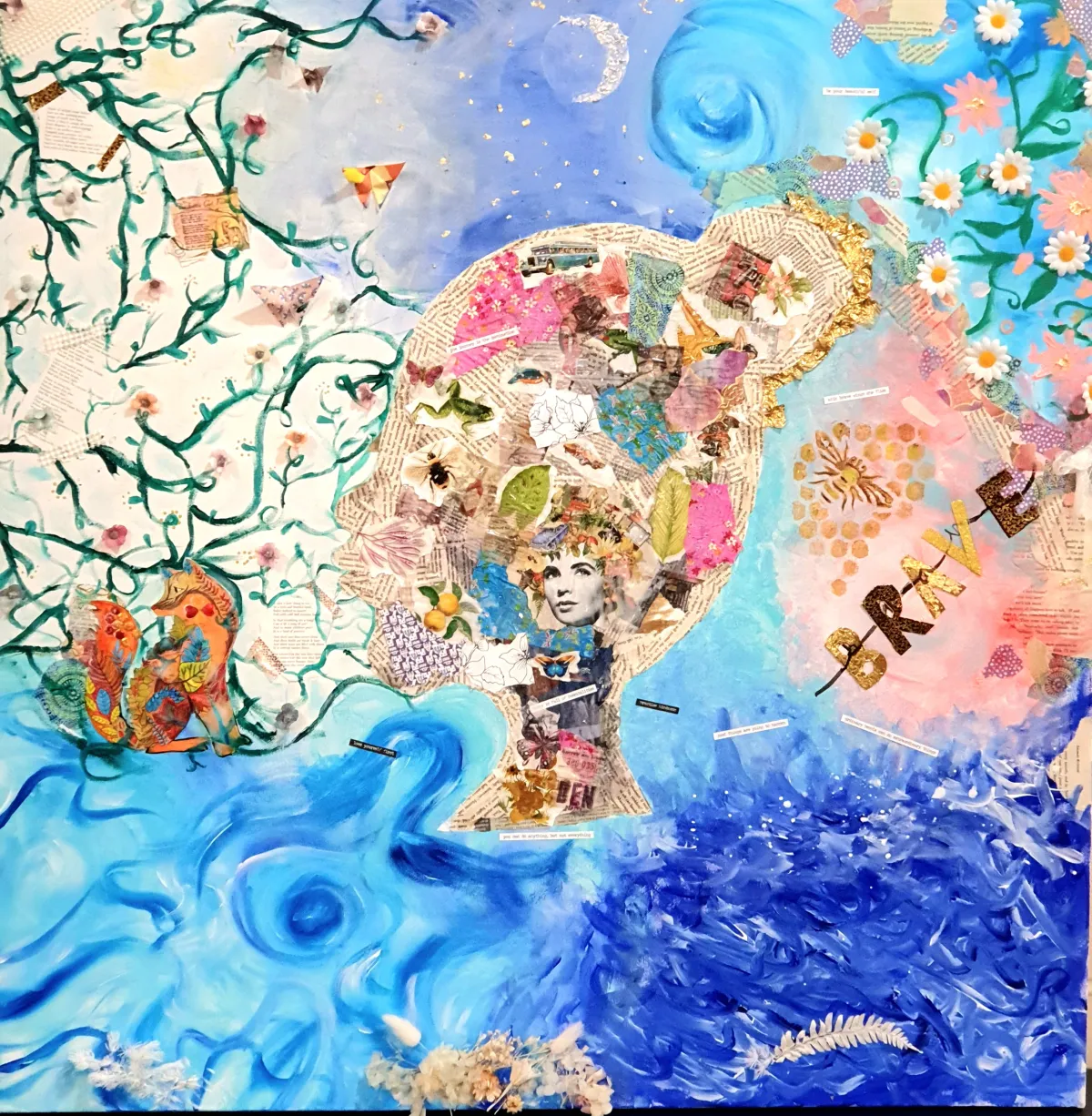
- "Their voices have the power to inspire change": about the artwork on our report's front cover
Our report features a collaborative artwork created by the Youth Epilepsy Warriors (YEW), a group of young people with epilepsy from University Hospital Southampton. The group was formed through the RCPCH Impact and Influence in Epilepsy pilot study, which explored how children and young people could be meaningfully involved in shaping their own experiences of care and influencing change.
Grounded in the principle that young people should have a voice and be listened to, the project provided a safe and supportive environment where ideas were led by the young people themselves. While they expressed that they were very happy with the care they received, the young people identified a lack of understanding about epilepsy among peers and teachers as a significant challenge. In response, they worked together to develop awareness-raising films to challenge misconceptions and reduce stigma.
More recently, the group explored art as a form of self-expression. Through organic and unrestricted creativity, four young people came together to create this shared canvas, which represents their collective voice, experiences and aspirations. The artwork reflects their resilience, individuality and desire to be understood beyond their diagnosis. Above all, it embodies a message that emerged throughout the project: young people with epilepsy want to be heard, and their voices have the power to inspire change.
Ten key performance indicators (KPIs)
In cohort 7, Epilepsy12 identified 10 KPIs, derived from national guidelines and recommendations. KPI results indicate the proportion of children and young with epilepsy receiving timely input from healthcare professionals, appropriate assessment, support for their mental health and comprehensive care planning information. (The KPIs are detailed in the Round 4 methodology overview.)
This chart shows an overview of the 10 KPIs for England and Wales combined in cohort 7.
Three key themes

Epilepsy12 continues to make progress towards the complete ascertainment of children and young people with a new diagnosis of epilepsy.
Consistent demographic characteristics across successive cohorts provide confidence that the audit is capturing a representative picture of the population receiving care. Improved ascertainment strengthens the ability of Epilepsy12 to identify variation and support improvements in outcomes for all children and young people with epilepsy.

Since the introduction of Epilepsy12 in 2009, the epilepsy specialist nurse (ESN) workforce has more than tripled and access to ESN support has doubled. Encouragingly, ESN provision is greatest in areas with higher levels of socioeconomic deprivation, helping to address inequalities in care.
However, progress in other areas of the workforce and care pathways has not kept pace. Challenges remain in ensuring timely access to paediatricians with expertise in epilepsy and achieving paediatric neurology input for children and young people with complex epilepsies. The data also suggests that some children and young people who meet referral criteria for epilepsy surgery may not be progressing beyond paediatric neurology services. These gaps are particularly evident among children and young people living in more deprived areas and those with neurodevelopmental conditions, highlighting the need for more equitable and integrated care pathways.

Care planning continues to improve, with increasing evidence of School Individual Healthcare Plans representing a notable area of progress. This reflects improvements in access to epilepsy specialist nurses and the growing importance of multidisciplinary approaches to supporting children and young people with epilepsy.
The work of the Epilepsy12 Youth Advocates and partner organisations, including Young Epilepsy, has helped to promote the importance of effective care planning and ensuring that the voices of children and young people are heard. Together, these efforts are contributing to more personalised, coordinated and impactful care that supports children and young people both within healthcare settings and in their everyday lives.
Download the annual report and and extended analyses below
Quality improvement
The first paediatric epilepsy QI collaborative pilot in England and Wales was launched in 2019: the RCPCH Epilepsy Quality Improvement Programme (EQIP). EQIP supported epilepsy service teams to identify sustainable improvements within their services for children and young people with epilepsy.
Epilepsy12 also invited paediatric epilepsy services in England and Wales to provide case studies of their local quality improvement (QI) activities undertaken outside of EQIP, to improve the care provided to children and young people with epilepsies.
Visit the EQIP website for case studies, video presentations and examples of QI projects
Read selected case studies from 2023-24
Results by Health Board/Trust, NHS England region and OPEN UK network
Our detailed results spreadsheets cover the Round 4 clinical audit data for cohort 7 and the 2025 organisational audit results. Results are displayed at national (England and Wales combined), country, NHS England region and ICB, OPEN UK Network and Health Board/Trust level. Note, small numbers have been masked to minimise data disclosure risk.
Download the organisational and clinical audit datasets (MS Excel) below
Acknowledgements
The Epilepsy12 project team would like to thank the administrators, clinical audit department staff, data analysts, doctors, nurses and others within participating Health Boards and Trusts. We would also like to thank our stakeholders and colleagues within the Royal College of Paediatrics and Child Health, who provide invaluable input into the design and delivery of the audit.
Contact and past reports
The Epilepsy12 project team members are available to respond to any related queries.
Email us on epilepsy12@rcpch.ac.uk or call 0207 092 6157