




This event is for healthcare professionals only. It is approved for CPD (continuing professional development) in accordance with the current RCPCH CPD guidelines. We'll email all delegates a certificate of attendance within four weeks of the conference.
The event is supported by industry sponsorship, including pharmaceutical and medical technology companies. Sponsors have no influence over the agenda or the selection of speakers, except for sponsored sessions which will be clearly labelled in the programme.
In-person programme: Day 1, Monday 11 May
08:45-10:15 | Morning plenary with Dr Sami Timimi, plus abstract presentations
Plenary: What lies behind the mental health crisis in our young
Psychiatric diagnoses rely on subjective foundations. Without empirical anchors we are left with descriptors that cannot help us identify cases that share something unique in common. Mistaking a descriptive category for a diagnosis has resulted in a failure to improve scientific knowledge or clinical outcomes. Instead, categories for distress and difference have expanded into consumable brands and internalised identities, most notably in the emergence of the neurodiversity paradigm. Dr Timimi will explain the potential problems this approach causes at the individual, community, and population level and why this results in harm, particularly to young people.
Abstract presentations: Three of this year’s top scoring abstracts take to the stage in the exciting Pecha Kucha presentation style:
- How much does it cost to assess a child for ADHD in the NHS?
- The role of the paediatrician in assessing internet use in young people and its effect on mental health and suicide: Red flags and risk factors
- Preventable deaths in adolescents reported by coroners' reports in England and Wales: a national observational study, 2013-2025
10:15 - 11:00 | Morning break with refreshments
Visit the Exhibition Hall:
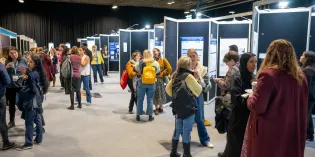
- View the wide selection of posters and speak with poster presenters about their work
- Grab a refreshment and network with new and old friends
- Explore the exhibition stands and learn about the latest innovations
11:00 - 12:15 | Workshops
- Changing the story: Decolonising child health in UK and globally
This engaging and interactive workshop offers an opportunity to expand understanding of how colonial history and systemic racism have, and continue to, shape child health in the UK and globally. Hosted by the International Child Health Group in partnership with Dr Annabel Sowemimo (award‑winning author, activist and doctor) and the CHIVA Youth Committee, this workshop will combine frank “conversations on the couch” with small‑group discussions about how to conduct paediatric clinical, research, and advocacy activities through a “decolonising lens”. Join us for a thought‑provoking workshop to reflect on the past and inspire the future of child health
- Communicating for change: How to write and disseminate good science and policy
In this workshop we will explore how research and evidence can drive real‑world impact through strategic communication. Using case studies, we’ll trace the journey from published evidence to policy adoption highlighting how clinicians, educators, and advocates can amplify findings through networks, organisations, and influencers.
We will demonstrate how child health research, integrated from diverse disciplines, can be communicated across a range of platforms. Participants will learn practical techniques to translate studies into compelling messages, engage stakeholders, and embed evidence into guidelines and policies. We aim to empower attendees to become change agents ensuring that research doesn’t just inform but transforms care for children.
- Sustainable paediatric prescribing beyond the prescription pad
This workshop offers a practical approach to sustainable paediatric prescribing aimed at enhancing knowledge, considering the global impact of pharmaceuticals and the wider impact of prescriptions.
- Build knowledge with a case study, demonstrating the challenges and opportunities for sustainable prescribing.
- Demonstrate a holistic approach to sustainable prescribing, unlocking co-benefits for children’s health, affordability, and climate mitigation.
- Explore opportunities for discussing medicines with CYP and support effective communication in clinical practice.
- Explore how paediatricians, pharmacists, and GPs can work with industry to contribute to the development of sustainable medicines, taking into account the specific needs of children
- Neighbourhood health for Children: Getting started and doing it really well / Training paediatricians for the future: Working in integrated neighbourhood teams
Details to follow.
- The state of adolescent health: Insights from Bradford's Age of Wonder
Adolescence is a pivotal stage of life, with long‑term impacts on health, wellbeing, and life chances. Yet paediatric practice often pays less attention to this period than to other stages of childhood.
BiB’s Age of Wonder part of the Born in Bradford suite of cohort studies is the UK’s largest ever study of adolescent health, following 30,000 young people as they navigate teenage life. In this workshop we will present the first Age of Wonder Data Notes, explore key findings on the state of adolescent health, and engage participants in discussion about what these insights mean for paediatrics and clinical practice.
- Thirty years of change: Has it been too much for young people?
Life as a teenager in 2025 is vastly different from life in the 1990s. Today’s young people have seen the rise of social media, gaming, and smartphones; lived through the COVID‑19 pandemic; and witnessed increases in obesity and mental health concerns. This interactive workshop explores the effect these shifts have had on adolescent development, health, and emotional well‑being. Drawing on current evidence and clinical experience, we will examine the implications of these significant societal changes for paediatric practice, policy, and safeguarding. Join us to critically assess whether these changes have overwhelmed today’s teenagers, and the tools we have to support them.
- Children not numbers: Providing healthcare under conflict in Gaza
Children Not Numbers is dedicated to improving the lives of children in Gaza through a comprehensive approach to health, safety, education, and rehabilitation.
This workshop will bring the voice of the incredible paediatricians working in Gaza; showcasing the difficulties of providing healthcare to children in this uniquely inhibited healthcare system and also celebrate the amazing care they are continuing to provide under these circumstances.
- How to engage young people: emotional support skills
We will provide a brief overview of the ChildLine counselling model, how it can be adapted to support young people regardless of their situation and the five different tailored approaches that we use to provide emotional support to young people. We will also touch upon our safeguarding policies, including our relatively unique confidentiality policy and situations that may require us to work with external agencies either with or without the young person's consent. It will include a mixture of presentation, case study discussion and a reflective practice activity.
- Embedding anti-racism in paediatric medical education: From theory to practice
This workshop will guide participants in integrating anti‑racism into undergraduate and postgraduate paediatric education, drawing on evidence and recommendations from the forthcoming textbook Antiracist Medicine. We will examine how systemic factors such as the demographic mismatch between students and assessors, hidden curricula, biased assessments, and underrepresentation in teaching materials not only reflect but also perpetuate inequity. We will also explore strategies for embedding cultural humility and equity‑focused medicine into training. Attendees will leave with practical tools for curriculum reform, diversifying the assessor pool, faculty development, and learner support, ensuring the next generation of paediatricians is prepared to deliver equitable care.
- Working together: Family engagement to prevent and address harm
This interactive workshop explores how paediatric clinicians can better engage with families to prevent harm and respond compassionately when harm occurs. Drawing on real‑world cases and expert insights, we’ll examine communication pitfalls, strategies for empowering families to raise safety concerns, and tools for restorative dialogue after adverse events. Co‑designed with families affected by healthcare harm, this session offers practical guidance and emotional intelligence to support safer, more transparent care
- Explore Our Archives: the history of RCPCH (RCPCH staff session)
This session will explore the history of the British Paediatric Association (BPA) and its transformation into the RCPCH through highlights from the College Archive. It will trace key milestones, member contributions to paediatrics, and notable moments such as the BPA’s work during the Second World War.
- Build your advocacy skills with the RCPCH Policy and External Affairs Team (RCPCH staff session)
Learn more about RCPCH’s policy, advocacy and campaigns work, and how you can become more involved. Our expert staff will provide short training on using your voice and landing a message to stakeholders with an opportunity for you to practice and hone your skills.
The 10 Year Health Plan set out three radical shifts to deliver the governments ambition for the nation’s health and health service. Find out what this means for CYP and as local areas will have more autonomy over designing, planning and delivering services, how you can influence your local plan.This workshop will:
- Engage members and enhance their understanding of our policy and advocacy priorities
- Help members understand how they could play a role in influencing local and national decision making including being involved with RCPCH’s policy and advocacy work
- Provide a short bitesize training offer on advocacy skills
- We've got a toolkit for you! Tips, tools and resources on engaging with children and young people to shape services (RCPCH CYP Team staff session)
Are you passionate about shaping healthcare services truly with children and young people? Join us for an interactive session where we’ll share practical strategies and resources to help you embed children and young people in service planning and improvement.
Discover children’s rights to participate in decisions that affect them—and why this matters for better outcomes. Get hands-on with RCPCH toolkits and resources designed for strategic leaders and clinical teams.
Learn from real-life case studies showing the impact of a rights-based approach on children, young people and hospital services.
Take away practical tools and a clear action plan to use in your own setting.Hear directly from young people and clinicians about what works. Engage in discussion and Q&A to apply ideas to your context and collect your “golden ticket” for your session toolkit from the RCPCH &Us stand.
12:15 - 13:45 | Lunch break
All delegates can get lunch in the Exhibition Hall.
- Lunch for Senior Members, Senior Fellows and Honorary Fellows
This event is a three-course meal exclusively for Senior Members, Senior Fellows and Honorary Fellows. Tickets must be purchased in advance of the event via the Conference booking portal. If you have any questions or queries about registering, please email rcpch@wonderly.agency
12:30 - 13:15 | Choir session
Join Dr Kathleen Cronie for informal, fun daily singing session. Open to all singing abilities.
12:30 - 13:30 | Makaton for medics: Learn signs and principles for inclusive communication
An introduction to the Makaton communication system, focusing on signs and symbols relevant to healthcare settings. Makaton signs are widely used by children and young people in the UK, particularly in the Learning Disabilities (LD) community. Children with LD can have an increased healthcare need with a unique experience of healthcare. This session will equip you with the tools to improve your communication and confidence for a brighter, more inclusive future for these young people.
13:45 - 16:00 | Specialty and Special Interest sessions
- Association of Paediatric Emergency Medicine (APEM)
Asthma at the Front Door: New Developments and MART in the ED. Prof Ian Sinha, Consultant in Paediatric Respiratory Medicine, Alder Hey Childrens’ Hospital and Dr Shirley Mulvaney, Consultant in Paediatric Emergency Medicine and Joint Speciality Clinical Director
Joan Robson Prize Presentations
PERUKI update Dr Shrouk Messahel, Consultant in Paediatric Emergency Medicine and Vice Chair of PERUKI, Alder Hey Children's’ Hospital
Beyond the Simulation: Lessons from a DGH Major Incident. Dr Claire Hope, Consultant Paediatrician, Musgrove Park Hospital and Dr Edwina Gamble, Consultant in Emergency Medicine and Paediatric Emergency Medicine, Leeds Teaching Hospitals NHS Trust.
Abstracts:
- The first 6 months of Martha's Rule
- From HeadSMart to Child Cancer Smart
- Industrial Action as a natural experiment rethinking workforce
- Understanding the impact of Language barriers on patient safety
- Association of Paediatric Palliative Medicine (APPM) and British Inherited Metabolic Disease Group (BIMDG)
Session title: From Physiology to Philosophy: Integrating Palliative Wisdom in Metabolic Disorders
Overview of metabolic disorders with progressive encephalopathy. Dr Shona Brothwell, Consultant in paediatric inherited metabolic disorders, Birmingham Women's and Children's Hospital.
A joint approach to managing metabolic patients when there is no cure. Speaker TBC
Ethical dilemmas in managing incurable metabolic conditions. Speaker TBC
Abstracts:
- Infants, children, and young people with life-limiting conditions Learning from child death reviews on palliative and end of life care provision: An NCMD report
- X-linked adrenoleukodystrophy – “Have you seen this condition before, Doctor?
- Adult team presence in paediatric appointments improves transition in children with inborn errors of metabolism
- British Academy of Childhood Disability (BACD), British Paediatric Respiratory Society and Down Syndrome Medical Interest Group
Session title: Bridging disciplines: optimising outcomes for children with complex respiratory and neurodevelopmental needs.
Long-term ventilation in neurodisability. Dr Elaine Chan Consultant Respiratory Paediatrician, Great Ormond Street Hospital.
Silent, subtle or obvious? Making Sense of Aspiration in Children. Kay Jones, Laura Bottiglieri, Highly Specialist Speech and Language Therapists, Children’s SLT Eating, Drinking and Swallowing Difficulties Team, Birmingham Community Healthcare Trust.
Respiratory Complications of Down Syndrome, Pathophysiology and Management. Dr Hazel Evans, Consultant in Paediatric Respiratory Medicine.
Abstracts:
- Safe to Go at Three? Evidence for Shorter ED Observation in Mild Asthma and Wheeze
- Assessing adherence to 48h GP follow-up guidance after paediatric asthma hospitalisation in Northwest London: an observational linked data study
- Determining the Age at Diagnosis of Cerebral Palsy in a High-Risk Neonatal Cohort – a five-year retrospective review
- The use of Whole Genome Sequencing in the Community Paediatric Special Educational Needs School Population,
- Systemic barriers and enablers in childhood disability services: A thematic analysis of children’s and families’ experiences
- Everyone has the right to have a voice: Pilot study to evaluate using the ‘Tree of Life’ in students with complex physical disability and communication needs.
- George Still Forum: ADHD and related neurodevelopmental disorder group
Session title: George Still Forum - National Paediatric ADHD and related Neurodevelopmental Disorder Network Group.
Understanding and supporting children with neurodevelopmental concerns or diagnoses with 'EPIC': the power of Psychoeducation. Professor Sinead Rhodes, Institute of Neuropsychology and Cardiovascular research, University of Edinburgh.
Abstracts:
- Every Child, Every Voice’: Co-designing Tools to Improve Healthcare Outcomes for Neurodivergent Children and Healthcare Settings
- An Audit Exploring Factors Behind a ‘No Diagnosis’ in ADHD
- ADHD management in primary care: an online survey of clinicians’ knowledge, attitudes and practices
- Diagnosing Autism Spectrum Disorder in a South Cumbrian Paediatric Population: a retrospective cohort study
- A Multidisciplinary skill mix of Autism Assessments in meeting Demand-Capacity
- Dealing with long waiting times for ADHD and mitigating risks
- Enhancing early detection of autism: Importance of integrating red flag signs into child health developmental records.
- Community Paediatric triage toolkit for Preschool & school age Autism assessments.
- British Association of General Paediatrics (BAGP), General and Adolescent Paediatric Research in the United Kingdom (GAPRUKI) and British Association of Paediatricians in Audiology (BAPA)
Session title: The General Paediatrician and Paediatricians in Audiology.
Creating Stronger Systems and Networks in General Paediatrics: Facing the Future (Standards) for Healthier CYP. Speaker TBC.
Balance assessment and Management of Dizziness. Professor Soumit Dasgupta, Alder Hey Hospital.
Progress and trainees’ reflections. Dr Laura Sand ST6.
GAPRUKI lecture – Incubator project. Dr Katrina Cathie
Speed round abstracts:
- Can My Child Swim with Grommets? - Are We Giving Parents Clear and Consistent Advice?
- Implementing antimicrobial stewardship: a prospective study of antibiotic prescription habits, trends and rationale in Tertiary Paediatric hospital.
- Variability in hospital discharge practices for paediatric asthma exacerbations: a telephone survey across England.
- Whole-Body Magnetic Resonance Imaging (WBMRI) in undifferentiated paediatric presentations: To Do or not To Do?
- MMRvels assemble: rapid deployment of opportunistic MMR vaccination in an outbreak.
Abstracts:
- Quantifying vaping-associated nicotine dependence amongst under-18s attending mainstream educational settings in England
- A relaxed and non-judgemental atmosphere": asking young people how we should design vaping cessation support services for young people.
- Addressing health inequalities in Devon paediatric, neonatal and maternity departments – the start of the journey
- Challenges in Implementing cCMV Test After Failed Newborn Hearing Screening in DGH
- British Association of Perinatal Medicine (BAPM) and Neonatal Society and Neonatal and Paediatric Pharmacy Group (NPPG)
Standardising IV infusions in a neonatal network. Nigel Gooding Paediatric Pharmacist.
What I wish I knew about medicolegal stuff. Dr Grenville Fox, Neonatal Consultant.
Setting Up Regional Nurse led ROP Screening. Mr Sus Biswas Paediatric Ophthalmologist Manchester.
Abstracts:
- Neonatal stroke in the United Kingdom and the Republic of Ireland - Active surveillance study with meta-analysis of previous national surveillance studies
- Quantifying intensity of home neonatal care: a four-level multi-centre staging system to support equitable service planning
- Promoting Equitable Communication: Increasing Interpreter Use with the 'Interpreter on Wheels' Initiative
- Sedation strategies in NICU: A systematic review of clonidine and dexmedetomidine in ventilated neonates and infants
- From myths to practice: Transforming breastfeeding support in neonatal care in rural Sri Lanka; Quality improvement project
- British Society for Paediatric and Adolescent Dermatology
Little heads, big problems: managing hair loss in children. Dr Claire O’Neil, Consultant Paediatric Dermatologist, Great Ormond Street Hospital.
More than Spots: recognising and treating acne and acneiform conditions. Dr Lea Solman, Consultant Paediatric Dermatologist, Great Ormond Street Hospital.
From rashes to birthmarks: how to deal with unusual skin findings on postnatal ward. Dr Maanasa Polubothu, Consultant Paediatric Dermatologist, Great Ormond Street Hospital.
From Flare to Fair Play: Testing and Referring Kids with Eczema. Dr Natalia Cartledge, Consultant Paediatric Dermatologist, Great Ormond Street Hospital.
Abstracts:
- Optimising Early Management of Infantile Eczema: Lessons from Primary and Specialist Care
- Dermatology Conditions in a group of children with Down Syndrome aged 6 to 16 years
- British Society for the History of Paediatrics and Child Health
Introduction and welcome
Dr.Tony Hulse, Previous President BSHPCHAnniversaries for Paediatrics and Child Health in 2026
Robert Scott-Jupp, Retired Consultant Paediatrician, History Editor ADC, Committee Member BSHPCHThe first century - most cited papers in Archives of Disease and Childhood
Yincent Tse, Consultant Paediatric Nephrologist, Newcastle NHS Foundation Trust
The George Armstrong Lecture - The Life and Work of Dr.David Southall
Dr.Martin Samuels, Consultant Respiratory Paediatrician at Great Ormond Street HospitalHistory of the diagnosis of pyloric stenosis: clinical puzzles and changing patterns in paediatric imaging
Dr.Georgina Lindsay. Guys and St.Thomas’ NHS Foundation TrustThe History of Foundlings Dr.Deborah Allen, Oxford University Hospitals NHS Trust
From ‘Idiot’ to ‘Neurodiverse’: Exploring the evolution of terminology used to describe children with learning disabilities in UK legislation
Humzah Hameed, University College London: Cadogan Prize Winner 2025Close and Summary
Dr.Colin Michie, President BSHPCH- British Association of Physicians of Indian Origin: Hot topics
Hot topics in paediatrics
Movement Is Medicine – Managing the Screendemic and other common mental health disorders with Physical Activity
Paediatric Engagement in Neurodevelopmental Care: Clinical Reflections from a Complex Assessment Service
Paediatric Perspectives on the Needs and Challenges of Looked After Children
More Than Weight: The Complex Reality of Childhood Eating Disorders
Facing The Future Together - Prof Steve Turner, RCPCH President
The sleep deprived child- Diagnosing and managing common sleep disorders
16:00 - 16:45 | Afternoon break with refreshments
In the Exhibition Hall
16:45 - 18:00 | Afternoon Illingworth-Rees Memorial Lecture plenary, with Mr Justice Williams
Theme: Family justice: insights, challenges and opportunities
Reflections on how developments in paediatric and medical knowledge generally and expert evidence have informed and influenced how the family justice system has decided cases and how it has developed over the past 40 years. Consideration of how that symbiotic relationship might develop in the future including through child abuse pathways, multi-disciplinary teams, expert evidence and problem solving courts.
Dr Michael Blacow Memorial Prize, PAFTAs, Research awards & Exam awards.
18:00 - 19:00 | Welcome drinks reception
Head to the exhibition hall to join the welcome drinks reception, a fantastic opportunity to unwind at the end of the first day and meet new people.
18:30 - 19:30 | Trainee drinks reception
Please join our trainee community for drinks and nibbles at this years annual conference.
19:00 | British Association of Physicians of Indian Origin - Gala dinner
Details to follow.
In-person programme: Day 2 - Tuesday 12 May
08:00 - 08:30 | Early morning workshops
- Does my child have POTS? The basics of diagnosis and management
POTS and other dysautonomia’s are complex health conditions, and are often associated with other health conditions, and have significant morbidity. Frequency is increasing, probably due to both increased incidence related to Covid and increased recognition. They were not covered by most of us at medical school! In this interactive workshop you will engage with expert paediatric cardiologists, paediatricians and patients by videos, to learn about presentations, diagnosis and how to safely initiate management yourself of POTS and common co-morbidities in children and young people, and when to refer on.
We will provide resources and introduction Dr Lesley Kavi POTS UK charity chair.- Joy in work
Following an introduction with some data around burnout and professional fulfilment / joy. We will introduce the IHI framework for joy in work. We will then ask the group to review in small groups the four questions:
- What matters to you
- What gets in the way
- Introduction to a systems approach to making joy in work a shared responsibility where you work
- Introduction to a QI approach to test and measure changes.
- From clinical questions to publication: A practical research journey
This interactive workshop guides healthcare professionals through the complete research journey, from identifying clinical questions at the bedside to publishing your findings. Led by 3 experienced academic paediatricians, including the Editor-in-Chief of Archives of Disease in Childhood and members of the RCPCH Trainee Research Network, we will demonstrate how to turn everyday clinical observations into research questions, rapidly appraise evidence, and structure a compelling manuscript.
Learn the top pitfalls to avoid, discover essential resources, and find practical pathways to get involved in research through networks and collaborations. This workshop is perfect for anyone wanting to integrate research into clinical practice.
- Justice for children, families and colleagues: Essential medico-legal skills for all
There is a serious shortage of experienced paediatricians prepared to act as experts. This workshop provides practical guidance on how to get involved, work effectively with lawyers, develop skills in report-writing and court appearances, and establish a medicolegal practice. It will cover both civil litigation for alleged negligence and safeguarding work for the Family Courts.
Participants will gain insight into a stimulating and rewarding area of practice that directly contributes to the GMC domains of maintaining good medical practice, while enhancing professional confidence and competence in medicolegal work.
- Everything you didn't know that you don't know about LGBTQIA-inclusive family care!
This workshop uses a Priority Setting Partnership for LGBTQIA+ Perinatal Care as a springboard to help delegates better understand the needs of LGBTQIA+ families and increase their confidence in providing inclusive care. Led by a collaboration of LGBTQIA+ parents and professionals, the session will showcase the Top 20 collaboratively identified unanswered questions in LGBTQIA+ perinatal care, which participants will explore interactively.
We will present the evidence for the one question that is currently answered (the long‑term outcomes for children from LGBTQIA+ families). The workshop will also cover the basics of LGBTQIA+ family‑making, inclusive language, and parents’ stories.
- RCPCH Meet the nations' officers
An opportunity to connect with the colleagues representing you in Scotland, Wales and Northern Ireland. Discover how we work with the Scottish and Welsh governments and the Northern Ireland Executive to champion better outcomes for children.
Join us to network with colleagues from across the devolved nations, ask questions, share insights and learn more about our roles and impact.
- Prayerful paediatrics
The Prayerful paediatrics session is an opportunity for those identifying with the Christian faith to meet like-minded paediatricians, be encouraged in their faith by the testimony of a colleague and spend some time in prayer aside from the hustle and bustle of conference.
Speaker: Ian Male, Consultant Community Paediatrician at Sussex Community NHS Trust.
Hosts: Dr Onajite Etuwewe, Consultant Community Paediatrician, Derbyshire
Dr Rebecca Rhodes, Paediatric Registrar, Nottingham
Dr Jane Clarke, Retired Respiratory Paediatrician, Birmingham, part of Christian Medical Fellowship Pastoral Care Team- The review of assessments within Progress+
This session will showcase the exciting progress and impact of the RCPCH Assessment Review, exploring how assessments within Progress+ are being strengthened to ensure they are fair, meaningful, and sustainable. Drawing on insights from national pilots of new workplace based assessments and a revised MRCPCH Clinical exam, as well as consultation feedback, the session will highlight key learning, what has changed as a result of engagement, and how these developments better reflect real world paediatric practice.
Looking ahead, it will also outline the next steps towards implementation. Presented by Dr Cathryn Chadwick, Vice President for Training and Assessment, and Hannah Watts, Associate Director for Examinations and Training, this is a valuable opportunity to hear directly from those leading this important work.
08:30 - 10:00 | Morning plenary, with Professor Sonia Saxena
Theme: Integration and innovation for future child health: a perspective from primary care.
Children are healthier than ever before with major global advances in universal coverage of health care, better public health and reductions in mortality from infectious disease. Yet emerging problems such as rising obesity, declining mental health and increasing health inequalities linking to poverty, food insecurity and reductions in physical activity show how progress has stalled.
Prof Saxena will consider how innovations and integration of the health system between primary and secondary care can protect from major forces that threaten child health including poverty, pollution and pandemics and why we need a future clinical and academic workforce that can shine a light on the interventions needed to improve the health of the population and planet.
Abstract presentations: Three of this year’s top scoring abstracts take to the stage in the exciting Pecha Kucha presentation style
- Taking Babies into the Boardroom. ABC Parents does coproduction, education and empowerment
- Improving access to medical work experience through hospital–university collaboration
- A Quality Improvement project to optimise Childhood Immunisations in primary care
Visiting Fellows Awards
10:00 - 10:45 | Morning break with refreshments
Make sure to visit the wide selection of posters - a fantastic opportunity to meet with poster presenters and find out more about their work. Explore the exhibition stands and learn about the latest innovations. And, network with both new and old friends.
10:45 - 12:00 | Workshops
- Whose power? Co-production essentials for clinicians: Unlocking voices, unlocking change
RCPCH was the first Royal College to platform service users in its mission, yet patient voice in paediatrics still risks being tokenistic. Clinicians know the language of health inequalities, but many feel stuck: how can they act meaningfully within overstretched systems? This lively, interactive workshop brings together two proven approaches — Powering Up and Whose Shoes?® — that level hierarchies and centre the voices of children, young people, and families. Rooted in creative co‑production (lived‑experience storytelling, playful dialogue, and practical reflection), it offers clinicians tangible ways to transcend tokenism, connect insights to systemic inequities, and embed equity‑focused practice in everyday care.
- Getting It right first time: Redesigning outpatient services for better, faster care
Join national GIRFT clinical and implementation leads at NHS England for a focused session on transforming paediatric services. Drawing on real‑world GIRFT data and case studies, the workshop will explore practical ways to streamline patient pathways, reduce waiting lists, and enhance outpatient and elective care. Participants will learn how evidence‑based redesign, such as one‑stop clinics, improved triage, and virtual care models, can deliver the right care the first time. The session offers insights and tools to help paediatric teams improve efficiency, increase capacity, and elevate the patient and family experience while maintaining the highest clinical standards across children’s services.
- Bridging the gap: Co-designing local inclusive gender and adolescent health services
Gender-diverse young people face significant barriers to accessing timely, equitable care. This interactive workshop explores innovative, co-designed approaches to improve adolescent health services, drawing on evidence from a new regional gender service and wider adolescent care pathways. Participants will hear directly from paediatricians in the service, engage in scenario-based exercises, and develop practical strategies for embedding co-production and holistic care models. The session challenges traditional specialist-only approaches by demonstrating how all paediatricians in secondary care can support gender-diverse and complex-needs adolescents locally, reducing waiting times and inequalities. Join us to shape the future of inclusive adolescent healthcare.
- Adultification uncovered: Empowering healthcare workers through recognition, advocacy and action
This interactive workshop explores adultification, where children, particularly from marginalised groups, are treated as more mature than they are.
Paediatricians will learn to recognise signs, understand impacts on health outcomes, and gain tools to advocate for equitable, developmentally appropriate care. Through case discussions and practical strategies, attendees will be empowered to challenge adultification in clinical practice and promote child-centred approaches. Attendees will gain tools to recognise adultification biases, advocate for equitable care, and take actionable steps to create compassionate healthcare environments which maintain and promote the rights and voice of a child.- Empowering the future: Advancing autism training for today and tomorrow's professionals
Over the past 30 years, autism referrals have increased exponentially (Darzi), with a 400% rise since 2019. However, diagnostic service capacity has not kept pace. Even where funding has improved, there remains a shortage of the highly skilled multidisciplinary workforce necessary to meet demand (Parr et al 2024). Building on a recent national survey examining the confidence of trainees and new consultants in assessing children for possible autism, this workshop will focus on identifying the training needs of paediatricians to develop a diagnostic workforce ready to meet both the future demand and growing complexity neurodevelopmental caseload.
- Clinical guideline development
This workshop will explore the foundations of formal consensus methodology, including the use of live Delphi consensus techniques. It will examine the principles of excellence in evidence‑based medicine, gaining insight into how high‑quality clinical guidelines are developed and how systematic reviews are conducted to ensure decisions are grounded in the best available evidence.
- Transition from neonatal to paediatric care for babies with complex healthcare needs: Making it better for everyone
More babies are surviving after neonatal intensive care with lifelong healthcare needs. The transition from neonatal care into paediatric inpatient services, including critical care, is challenging for families and staff. There are practical differences in provision of care and there is evidence that staff in involved services have different attitudes and approaches to the care of these babies and families. This workshop will provide information on this recently released BAPM framework for practice and provide an opportunity for attendees to explore the process and discuss challenges and solutions for improving the experience for babies, staff and families.
- Early child development: The next wave in global child health
Globally, 250 million children under five face risks of impaired physical and neurological development, particularly in low- and lower-middle income countries. Despite improvements in survival, early developmental needs remain underfunded, with minimal investment in the first six years of life, which are critical for lifelong health, education, and economic outcomes. As more newborns survive, undetected and unsupported developmental challenges pose urgent health and societal burdens. This workshop positions Early Child Development (ECD) as a vital global health priority, drawing on RCPCH Global partnerships in Lebanon, Nigeria, and Rwanda, and invites UK clinicians to explore cross-sector collaboration and advocate for greater ECD investment.
- Facing the future: Using standards to drive improvements in child health
How have child health services evolved over the past decade? What challenges are paediatricians facing today? What solutions are emerging? How can the system collaborate to improve health outcomes?
In this interactive session, we’ll explore the newly updated suite of RCPCH Facing the Future Standards, designed to address these critical questions. We’ll delve into key themes including:
- Reducing avoidable emergency department attendances
- Enhancing care in emergency departments
- Improving digital infrastructure across services
- Embedding children and young people’s voices in system design
Discover how these standards can be applied to create real, everyday improvements in child health.
- Flexible working
11.15 - 12.00
The effects of flexible working are experienced by every paediatrician whether it be from an individual or team perspective. We will explore working patterns for PGDiT, consultants and SAS doctors, how they have changed over time and the impact on ways of working, recruitment, staff wellbeing and quality of service. Looking at data from the Workforce CCT survey, legislation and NHS guidance, this will be an interactive session where we discuss local experiences, where the real needs are and how we can foster an environment that supports flexible working while maintaining a sustainable workforce and high-quality service.
- Subconjunctival haemorrhage in infants
10:45 - 11:15
Subconjunctival haemorrhage in infants is a clinically important finding that can signal possible child maltreatment and should prompt careful assessment. This session outlines current evidence, key differential diagnoses, and the role of this sign within safeguarding pathways, highlighting why its recognition and inclusion in routine safeguarding training are essential for timely and appropriate protection.
- Digital paediatrics in practice: Tools, skills and pathways
11:15 - 12:00
As digital health tools become increasingly embedded in paediatric care, clinicians are expected to navigate a growing array of digital solutions from remote monitoring platforms to mental health apps and AI-supported diagnostics. However, many paediatricians report uncertainty in selecting appropriate tools and identifying the digital skills they need to use them effectively.
This workshop responds to that need by combining practical exploration of a digital solutions catalogue with a structured discussion on digital skills development.
- Calling for clean air: the power of paediatric advocacy in low and middle income countries
10:45am - 11:15am
Air pollution is one of the largest environmental threats to child health, with 88% of pollution related premature deaths occurring in low and middle income countries. As evidence grows linking poor air quality to adverse maternal, neonatal and long term developmental outcomes, the voices of paediatricians remain an underused force for change.
This session explores how paediatric associations in Nepal, Nigeria, South Africa, and the UK are developing powerful advocacy strategies rooted in clinical realities and local context. Through emerging insights from a new RCPCH Global programme, and reflections from partners, we will examine the challenges, opportunities and policy levers available to paediatricians seeking to influence action on air quality.
Participants are invited to consider how paediatric voices can shape cleaner, healthier futures for children—locally and globally.
12:15-13:45 | Lunch break
All delegates can get lunch in the Exhibition Hall.
12:30 - 13:15 | Choir session
Join Dr Kathleen Cronie for informal, fun daily singing session. Open to all singing abilities.
12:30 - 13:30 Makaton for medics: Learn signs and principles for inclusive communication
An introduction to the Makaton communication system, focusing on signs and symbols relevant to healthcare settings. Makaton signs are widely used by children and young people in the UK, particularly in the Learning Disabilities (LD) community. Children with LD can have an increased healthcare need with a unique experience of healthcare. This session will equip you with the tools to improve your communication and confidence for a brighter, more inclusive future for these young people.
12:30 - 13:30 WHO - World Patient Safety Day goals session
12.30 - 12.40 World Patient Safety Day goals
12.40 - 12.50 The importance of the goals to families and children in the global context
12.50 - 13.20 The importance of listening to parents
Goal 1 Engaging Parents and children
Goal 2 Medication Safety - involving parents in medication safety
Goal 3 Diagnostic safety to ensure parent's views are listened to
Goal 4 infection (in terms of recognition of infection e.g.sepsis)
Goal 5 Neonates (all of the above )
13.20 - 13.30 Questions
14:00 - 16:00 | #ChoosePaediatrics including Tony Jackson memorial prize
Join us for an exciting Choose Paediatrics session, featuring the Tony Jackson Memorial Prize. Three outstanding finalists will showcase their abstracts to a panel of expert judges—only one will take home the top prize!
This session also offers valuable insights into the paediatrics specialty, with presentations covering what the field involves and everything you need to know about the medical recruitment processes. It’s the perfect opportunity for anyone considering a future in paediatrics
13:45-16:00 | Specialty and Special Interest sessions
- British Association for Community Child Health (BACCH), British Association of Child and Adolescent Public Health (BACAPH) and Climate Change Member Reference Group
Session title: Advocacy for paediatricians: What, where and how? A collaboration between BACCH, BACAPH and the RCPCH Climate Group
Abstracts:
- Climate change communication: Our health, our planet
- Fractured foundations: Autism, attachment, and ACEs in complex neurodevelopmental presentations
- Can greenspaces improve children's declining well-being? A cross-sectional analysis of the children's people and nature survey from 2021-2022
- International Child Health Group and Young People's Health Special Interest Group
Session title: Healthy adolescents, healthy world: A global agenda
A call to action: The second Lancet commission on adolescent health and wellbeing. Dr. Joseph Ward, Senior Clinical Lecturer, KCL General Paediatric Consultant, Evelina London Children’s Hospital.
Abstracts:
- Exploring young people’s experiences to inform mental health interventions: Co-produced workshops from the AIM Bradford Study
- Comorbidities in those referred to a tertiary paediatric and adolescent gynaecology service: Unmet needs and incomplete teams?
- Youth voice in research: Co-developing patient and public involvement and engagement training for researchers
- Children and young people seeking asylum and refugees - unaccompanied (CYPSAR-U): Exploring their priorities for health and wellbeing
- Co-creating flashcards to explore health priorities with children and young people seeking asylum and refuge (CYPSAR)
- Participatory data analysis: A novel approach to inclusive qualitative research with vulnerable populations
- Designing and delivering outstanding health services for children and young people
State of children and young people’s health. Prof Simon Kenny, Consultant Paediatric Surgeon, Alder Hey Children’s Hospital, Liverpool & National Clinical Director for Children & Young People, NHS England.
Neighbourhood health for children & young people. Dr Mando Watson, Consultant Paediatrician, St Mary’s Hospital, London & Clinical lead for integration (Children & young people), NHS England.
Abstracts:
- Talking health: Evaluating telephone clinics in a community paediatric service
- Establishing a collaborative paediatric eating disorders service in acute hospital setting
- Evaluation of a novel approach to children with a suspected undiagnosed rare disease: The SWAN (Syndrome Without A Name) clinic
- No small matter: Transforming complaints into leadership lessons
- Towards sustainable workforce planning: A national study of paediatric rota gaps
- The challenges faced by nurses caring for children and barriers to providing quality care in Nepali government hospitals
- Paediatric Educators' Special Interest Group
Session title: No education about us without us: Co-production with young people and their families
No education about us without us. RCPCH &Us and Association for Young People’s Health.
Co-production workshop
Abstracts:
- Setting up an international elective programme in the UK: Time for national standards?
- The potential of artificial intelligence in objective structured clinical examination feedback
- Recognising the sick child: Can team-based learning prepare tomorrow’s doctors?
- A humorous educational video package to improve correct utilisation of video-laryngoscopy on the neonatal unit
- Perception of the annual review of competency progression (ARCP) process: A trainee and trainers’ point of view
- Paediatricians with Expertise in Cardiology Special Interest Group
Current trends in paediatric cardiology: From ears to stethoscopes to ultrasound including POCUS and echocardiography. Dr Vikranth Venugopalan
When to do holter and when to refer to paed cardiology? Dr Vinay Bhole
Haemodynamic Phenotypes: A Practical Framework for Paediatric Decision-Making. Dr Bikash Bhojnagarwala
Abstracts:
- A quality improvement project to improve clinician confidence in interpreting paediatric electrocardiograms (ECGs)
- Distribution of pre-operative risk factors by ethnicity and neighbourhood deprivation in children undergoing cardiac surgery in England
- Heart murmur referrals to the local paediatric cardiology clinic at a children’s hospital: A comparison between 2018 and 2024
- Usefulness of point of care ultrasound in acute paediatric care
- Quality Improvement and Patient Safety
This session will include a range of presentations from the most effective and impactful quality improvement projects taking place across the UK, demonstrating use of appropriate QI methods to achieve sustainable improvement.
Abstracts:
- Visual inspection of the newborn palate improves the early detection of cleft palate in the UK: 10 year impact of the RCPCH Best Practice Guide
- PEARL: Postnatal Early Antibiotic Review for Low Risk Babies: Oral antibiotics for clinically well babies with culture-negative sepsis on the postnatal ward
- The power of puffs: What Changed when we went burst - Replacing nebulisers with MDI in a children’s ED
- A quality improvement project to optimise prescription of enteral proton pump inhibitors in a tertiary paediatric hospital
- Development and iloting of a Patient Reported Experience Measure (PREM) with children & young people living with HIV in the UK to improve healthcare experience
- Clearing the air: Reducing passive smoking and air pollution on hospital grounds to protect infants and children
- Embedding equity: Implementing practical strategies for differential attainment in paediatric training – A regional mixed-methods QIP
- Trainee Committee
We will cover
- Trainee Charter + 10PP
- NHS 10 Year Plan (Hospital to Community shift)
- Assessment updates, including trainee view
- Six abstracts
- CV/career breakout
- Association of Child Death Review Professionals (ACDRP), Genomics Working Group and Paediatric Medicolegal Group (PMLG)
Calmodulin gene variants and overturning a miscarriage of justice. Professor Carola Vinuesa, Principle Group Leader, Francis Crick Institute.
Newborn whole genomic screening programme. Dr Meekai To, Principal Clinician for Maternal and Child Health, Genomics England.
Sudden infant and child deaths in the UK courts. Professor Peter Fleming, Emeritus Professor of Infant Health and Developmental Physiology, University of Bristol.
Abstracts:
- Exploring outcomes and insights from joint agency response investigations for children with learning disabilities who die unexpectedly
- Sudden infant death syndrome and sudden unexplained death in childhood as an indication for whole genome sequencing through the R441 panel
- British Society of Haematology and Children's Cancer and Leukaemia Group (CCLG)
Update of the management of sickle cell disease. Speaker TBC
Diagnosing cancer in children and young people. Dr Shaarna Shanmugavadivel, CCLG Early Diagnosis Fellow, University of Nottingham.
Abstracts:
- Awareness regarding thalassemia and knowledge of the risks of repeated transfusions among caregivers of transfusion-dependent β-thalassemia children.
- Centering young voices: a patient and public involvement and engagement (PPIE) project in paediatric sickle cell services.
- Standardisation of Secondary Line Management of Paediatric Immune Thrombocytopenia.
- Evaluating support for the debrief process for paediatric oncology trainee doctors and newly-appointed consultants after child death.
- Inequities in the provision, delivery and outcomes in paediatric oncology care in the United Kingdom: a scoping review.
- British Paediatric Neurology Association (BPNA) and Paediatric Mental Health Association (PMHA)
Autoimmune encephalitis in acute paediatric aetting. Professor Sukhvir Wright, Aston University Institute for Health and Neurodevelopment, and Honorary Consultant Paediatric Neurologist, Birmingham Children’s Hospital.
Abstracts:
- Piloting a PAVES-style mental health screening programme in paediatric epilepsy clinics
- From disruption to recovery: the impact of COVID-19 on adolescent sleep and evidence based interventions for change
- Sudden unexpected deaths in epilepsy in 16- and 17-year-olds in England over 5 years: What can we learn?
- Mind the gap: Reducing variation and standardising discharge practices after acute paediatric seizures
- Mental, behavioural, and educational outcomes in adolescence and young adulthood of early-onset epilepsies: A systematic review
16:00-16:45 | Afternoon break with refreshments
In the Exhibition Hall
16:45-18:00 | Afternoon plenary, with Dr Nick Brown
Theme: Adapting to an ecosystem in flux: Archives at 100
A reflective exploration of the journal’s history, examining how shifts in the scientific and social landscape have shaped its development, and outlining the ways in which it must continue to adapt to remain relevant and forward‑looking.
Honorary Fellows, James Spence Medal, Members Awards & College Medal
Conference Dinner
Tuesday 12 May | 19:00 - midnight
As day two of the conference draws to a close, why not unwind at our 30th Birthday Conference Dinner? As a special offer on our Birthday year, tickets have been reduced to £45 and include a drinks reception, a delicious three‑course meal and entertainment! And because it’s our big birthday, you can expect a few surprises along the way.
Book your ticket via the Conference booking portal.
In-person programme: Day 3 - Wednesday 13 May
08:00-08:30 | Early morning workshops
- Joy in work
Following an introduction with some data around burnout and professional fulfilment / joy. We will introduce the IHI framework for joy in work. We will then ask the group to review in small groups the four questions:
- What matters to you
- What gets in the way
- Introduction to a systems approach to making joy in work a shared responsibility where you work
- Introduction to a QI approach to test and measure changes.
- Co-producing with families of CMC: Empowering solutions for patient and carer training
The CoLab Partnership brings together parents, young people and professionals to transform care for children with medical complexity (CMC). This session focuses on the education needs of families caring for CMC. We open with a concise presentation outlining who CMC are, UK prevalence, and why family education changes outcomes, followed by a parent's lived‑experience perspective to highlight pinch points and what good looks like. The second half features small‑group problem solving with plenary share back, surfacing practical ways to improve parental education. We close with a toolkit walkthrough and commitment to change, leaving participants with clear next steps and resources.
- Beyond words: Unlocking children's voices in child protection with co-designed communication toolkits
In this session, we will share the story of how the My Voice Matters co‑designed communication toolkit has developed since it was first presented by Dr Stewart and Ms Hayden at the 2024 BACCH conference, and how it will now be integrated into RCPCH safeguarding training.
We will discuss its impact on patients, paediatricians and the services where it has been piloted, and explain how teams have integrated it into practice.
We will explore ways to use the toolkit through case examples and share advice from family law barristers on recording the child's voice, including when visuals are used in assessments, to support children's cases in court.
- Health equity in action: Lessons from children's hospitals in the USA
Join us for a compelling exploration of the journey toward achieving paediatric health equity, grounded in real-world insights from leading children's hospitals in the USA during a Harkness Fellowship year.
This interactive workshop will explore the innovative strategies used to address disparities in child health outcomes, from hospital-led community partnerships to equity-focused leadership and data-driven interventions. Delegates will gain practical knowledge, global perspectives, and inspiration to drive change in their own settings. This is an opportunity to learn what works, reflect on your own context, and collaborate toward a fairer future for all children.
- A trusts model of care for managing refugee children from Gaza
This workshop will provide the delegate with an understanding of planning and delivering the management of refugee children from Gaza and in developing a model of care. It will detail how a compassionate, multidisciplinary plan can be developed focusing on safety and health. Included is infectious diseases screening, assessments of nutrition, as well as psychological support. Measures to train staff in trauma informed care, cultural sensitivities, and effective translation systems will be discussed as well as accommodation placements and community partnerships. The creation of a safe, welcoming environment for the child and family helps build trust and supports long-term recovery.
- Embedding play in paediatric practice - Starlight
Play is fundamental to children and young people’s health, wellbeing, and experience of care. The Play Well toolkit published by NHS England has been developed to support teams to integrate play more intentionally across settings. This workshop will share learning from implementation sites and offer Paediatric professionals practical strategies to apply within their own services.
By the end of the workshop, participants will:
Be able to articulate the evidence and rationale for embedding play within Paediatric care.
Have heard case studies demonstrating implementation and impact.
Have explored and proposed practical steps for introducing the Play Well toolkit within their own settings.
Have made a personal or team commitment to action.- RCPCH Evidence-based research
Details to follow.
- RCPCH CYP Team: Engagement mentoring with young people and parents/carers
Kickstart your morning with a fastpaced, practical workshop focused on realworld engagement challenges. In just 30 minutes, you’ll take part in smallgroup and 1:2 coaching conversations, explore hot topics raised by delegates across the conference, and leave with ideas you can use immediately. You’ll also receive a golden ticket to exchange at the RCPCH &Us / Engagement Academy stand for an exclusive engagement toolkit.
The session is built around real questions and issues raised by delegates — not generic scenarios. You’ll experience a lively rights based icebreaker and a rapid mentoring carousel designed to spark fresh thinking. It’s a rare chance to explore engagement in a small, supportive environment before the conference gets busy.
08:30-10:00 - Morning plenary, with Professor Alan Emond and Dr Peter Davis
Theme: The future of paediatric surveillance in the era of genomics and big data
To mark 40 years of the British Paediatric Surveillance Unit (BPSU), the achievements of active surveillance will be reviewed and celebrated, with a summary of the important study findings and a discussion of the future of paediatric rare disease surveillance in the age of AI, the advance of genomic diagnoses, the use of “big data” and the development of registries.
Abstract presentations: Three of this year’s top scoring abstracts take to the stage in the exciting Pecha Kucha presentation style
- PEARL: Postnatal Early Antibiotic Review for Low Risk Babies - Oral antibiotics for clinically well babies with culture-negative sepsis on the postnatal ward
- RCPCH Global in Rwanda: strengthening quality improvement systems through institutional partnerships
- Build-a-better-PEWS? AI electronic decision support tool to help spot ill children in the paediatric emergency department
10:00-10:45 | Morning break with refreshments
- Don't miss out on the action in the exhibition hall during the comfort and refreshment break.
- Make sure you visit the wide selection of posters. This is a fantastic opportunity to meet with poster presenters and find out more about their work.
- Grab a refreshment and network with both new and old friends.
- Explore the exhibition stands and learn about the latest innovations.
10:45-13:00 | Specialty and Special Interest sessions
- Paediatric Critical Care Society (PCCS)
Session title: Frontiers in Paediatric Critical Care.
From neonates to critical care children: Optimising the NICU-to-PICU transition. Dr Rum Thomas, Sheffield Children’s Hospital
Paediatric pandemic planning. Dr Ruchi Sinha, Consultant Paediatric Intensivist, St Mary's Hospital
Diagnosis and prognostication in traumatic brain injury. Dr David McCormick, Consultant in Paediatric Neurology, King’s College Hospital NHS Foundation Trust
Abstracts:
- Early prediction and personalised therapy in neonatal sepsis: Feasibility of a precision medicine approach
- Protocolised POCUS in paediatric retrieval: Feasibility, findings and clinical impact in intubated children
- Audit of documentation, escalation and response to deterioration prior to unplanned critical care admissions at a tertiary paediatric hospital 2023/24
- COMFORT B score compliance in a level 3 PICU-A retrospective audit
- Ethics and Law Advisory Committee (10.45 - 12.00)
Public naming of doctors panel discussion.
This session will explore the complex question of whether, when, and how doctors should be publicly named in the context of professional concerns or investigations. The workshop brings together expertise from law, ethics and clinical practice to examine the implications for transparency, trust, and fairness within healthcare.
- British Society for Rheumatology and British Association for Paediatric Nephrology (BAPN)
IgA Vasculitis
Lupus Nephritis
Plus abstracts.
- British Paediatric Allergy Immunity and Infection Group
Drug/antibiotic allergy delabelling across the UK. Dr Nicola Jay, Consultant in Paediatric Allergy, Sheffield Children’s Hospital
Immunology: What’s new and why it matters. Dr Paul Torpiano. Consultant in Paediatric Immunology, Great Ormond Street Hospital, London
Abstracts:
- Paediatric Drug Provocation Testing in a District General Hospital: An Audit of Safety and Future Scope for Expansion Beyond Specialist Settings.
- Evaluating the performance of the Kobayashi score in predicting IVIG resistance in a UK Kawasaki Disease cohort: a 3-year study at a regional centre.
- Rational Use of Aciclovir for Herpes Infections.
- Exploring parental attitudes to vaccination and improving clinical confidence in addressing vaccine hesitancy in the Paediatric Emergency Department.
- Child Protection Special Interest Group and Child Protection Standing Committee
Session title: Child protection and safeguarding vulnerable children
Quality assurance in safeguarding and children in care. Dr Vicki Walker RCPCH Assistant Officer for Child Protection Education and Dr Lynn Snow RCPCH Looked After Children Lead.
Child Protection Standing Committee update. Professor Andrew Rowland, Officer for Child Protection, RCPCH.
Abstracts:
- Knowledge, attitudes and practices on child protection among healthcare professionals of Nepal
- Are under 1s who present with injuries receiving appropriate senior input within our emergency department?
- Audit of timing of retinal screening in patients with possible physical abuse
- The child protection recognition and response (CPRRc Course by Nepal Pediatric Society: (2020-25) experience.
- Are childhood adverse experiences (ACES) more prevalent in gender questioning young peopl
- British Society for Paediatric Gastroenterology, Hepatology & Nutrition and British Association of Paediatric Surgeons (BAPS)
Tube feeding in children: All you need to know. Mr. Sean Marven, Consultant Paediatric Surgeon, Sheffield Children’s Hospital. President, British Association of Paediatric Surgeons.
Managing paediatric pancreatitis: A guide through the BSPGHAN recommendations. Dr Tassos Grammatikopoulos, Consultant in Paediatric Hepatology, King’s College Hospital
Acute abdominal pain pathway in children: Getting it right first time. Mr. Sean Marven, Consultant Paediatric Surgeon, Sheffield Children’s Hospital.
How to solve constipation. Mr. Stewart Cleeve, Consultant Paediatric Surgeon, The Royal London Hospital.
Abstracts:
- Gestational nutrition and infant lipid fingerprints: A tale of two extremes
- Comparing the rates of IAA between open appendicectomy and laparoscopic appendicectomy to treat perforated appendicitis in paediatrics: A systematic review
- Early clues missed opportunities: QI project for raising awareness - Severe nutritional rickets misinterpreted as non-accidental injury
- British Paediatric and Adolescent Bone Group and British Society of Paediatric Endocrinology and Diabetes
Bone health in children with neuromuscular disorders. Dr Alexander Chesover, Consultant in Paediatric Endocrinology and Metabolic Bone disorders, Great Ormond Street Hospital.
Hypercalcaemia in children: Approach and management. Dr James Law, Consultant Paediatric Endocrinologist, University hospitals of Derby and Burton NHS foundation trust.
Can we prevent type 1 diabetes? Dr Neil Wright, Consultant Paediatric Endocrinologist, Sheffield Children’s Hospital.
Abstracts:
- The use of quantitative ultrasound and digital x-ray radiogrammetry as alternative methods of bone densitometry in children: A systematic review.
- Time for a standardised reference range for thyroid function tests
- A ray of hope: HCL insulin pump therapy delivers greater glycaemic gains in high versus normal HbA1c children with diabetes
- A network meta-analysis of insulin-adjunctive treatments for Type 1 diabetes mellitus in children and adolescents.
- Type 2 diabetic mellitus outcomes in a tertiary paediatric cohort
- Preventing DKA in new onset diabetes in children: Can we do better?
- RCPCH Mental Health (12.00 - 13.00)
“You said, we did…”
Key actions and progress since last year’s workshopRCPCH Mental Health Strategy update
Progress and key developments across the four nationsNational mental health work beyond RCPCH
Updates on CYP APEX, national roll-out activity, and other NHS and voluntary sector initiativesQ&A and audience input
Reflections, questions, and priorities for future work
13:00-14:00 | Lunch break
In the Exhibition Hall
13:15 - 13:45 | Choir session
Join Dr Kathleen Cronie for informal, fun daily singing session. Open to all singing abilities.
14:00-15:15 - Afternoon plenary
TBC
Virtual programme: 11, 12 and 13 May
Our virtual programme features a selection of recorded sessions that can be accessed as part of the virtual experience. Join us in real-time to watch the sessions live or enjoy the flexibility of on-demand viewing post-event. We will update this page with information about what content the livestream will cover, so keep checking for the latest information!
Closer to the event, you'll be able to download the Conference app to:
- see a wide selection of posters, with option to chat with poster presenters
- explore our exhibitors and speak with their representatives
- find out more about the wide range of the College's work.
Day 1 - Monday 11 May (virtual)
08:45-10:15 | Morning plenary, with Dr Sami Timimi
Theme: what lies behind the mental health crisis in our young.
Abstract presentations: Three of this year’s top scoring abstracts take to the stage in the exciting Pecha Kucha presentation style
- How much does it cost to assess a child for ADHD in the NHS?
- The role of the paediatrician in assessing internet use in young people and its effect on mental health and suicide: Red flags and risk factors
- Preventable deaths in adolescents reported by coroners' reports in England and Wales: a national observational study, 2013-2025
16:45 - 18:00 | Afternoon Illingworth-Rees Memorial Lecture plenary, with Mr Justice Williams
Theme: Family justice: insights, challenges and opportunities
Dr Michael Blacow Memorial Prize, PAFTAs, Research awards & Exam awards.
Day 2 - Thursday 12 May (virtual)
08:30 - 10:00 | Morning plenary, with Professor Sonia Saxena
Theme: Integration and innovation for future child health: a perspective from primary care.
Abstract presentations: Three of this year’s top scoring abstracts take to the stage in the exciting Pecha Kucha presentation style
- Taking Babies into the Boardroom. ABC Parents does coproduction, education and empowerment
- Improving access to medical work experience through hospital–university collaboration
- A Quality Improvement project to optimise Childhood Immunisations in primary care
Visiting Fellows Awards
16:45-18:15 | Afternoon plenary, with Dr Nick Brown
Theme: Adapting to an ecosystem in flux: Archives at 100
Honorary Fellows, James Spence Medal, Members Awards & College Medal
Day 3 - Wednesday 13 May (virtual)
08:45-10:00 - Morning plenary, with Professor Alan Emond & Dr Peter Davis
Theme: TBC
Abstract presentations: Three of this year’s top scoring abstracts take to the stage in the exciting Pecha Kucha presentation style
- Artificial Intelligence for early prediction of paediatric sepsis and septic shock
- RCPCH Global in Rwanda: strengthening quality improvement systems through institutional partnerships
- Build-a-better-PEWS? AI electronic decision support tool to help spot ill children in the paediatric emergency department
14:00-15:15 - Afternoon plenary
Keynote speaker TBC