National Neonatal Audit Programme

Some babies in the UK need specialist care when they are born. They may be born too early, with a low birth weight or have a medical condition. Since 2006, our clinical audit aims to improve care to these babies. See our annual report, data dashboard and audit resources, plus information for parents and carers.

NNAP webinar: Tuesday 20 October

Join us to hear the key findings and national recommendations from our new audit report. Learn from teams that have successfully used NNAP data to drive improvement and discover how to make the most of our reporting tools to support your own quality improvement projects.

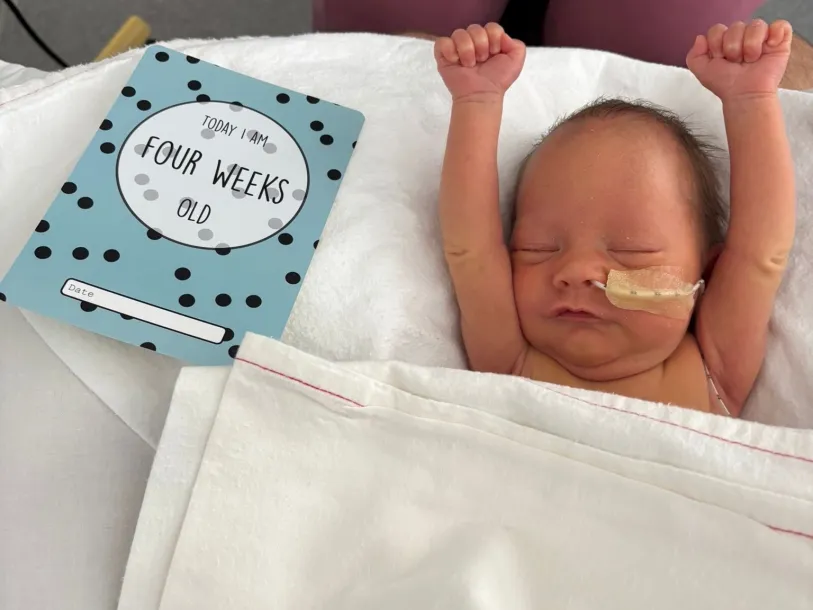
Small baby in hospital bed with arms in air, next to a card reading 'Today I am four weeks old'
Published in October 2026, our report presents key findings from data collected throughout 2025 and national recommendations. An extended analysis report explores results in detail and case studies show local quality improvement initiatives.
Photo courtesy of Morag McInnes
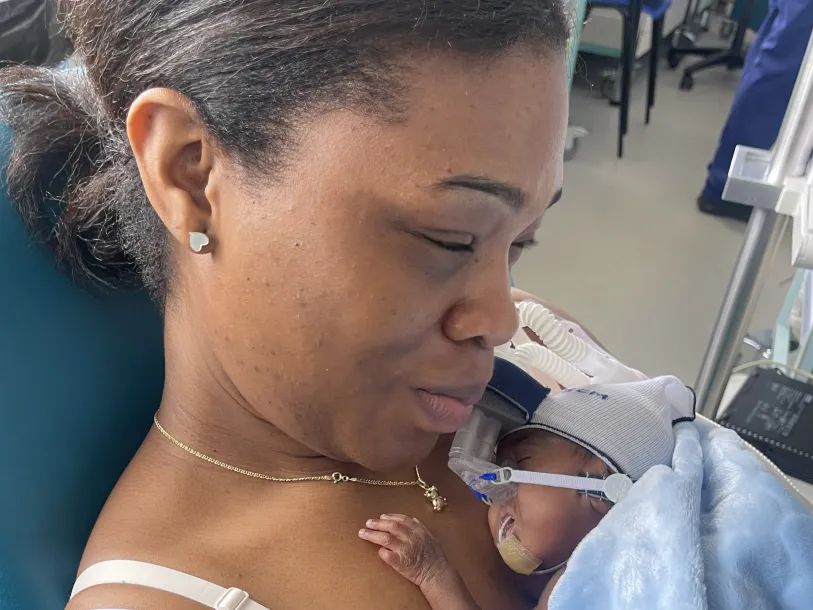
Close up of woman holding her young baby in a neonatal ward
'Your baby's care' is our guide to the summary report especially for parents and carers, featuring more photos and stories from families across the UK. It explains how the NNAP works, with infographics on our key findings plus a glossary. We also link to our privacy notices.
Photo courtesy of Zainab Yunus
Icon - the letter i in a speech bubble for information
We assess whether babies admitted to neonatal units in England, Scotland, Wales, Northern Ireland and the Isle of Man receive consistent high quality care and identify areas for quality improvement.
Icon - computer screen with bar chart and arrow
Access up-to-date and historical data on our three dashboards: NNAP Online (annual reporting of validated data) and Public Access Dashboard and Restricted Access Dashboard (monthly reporting of provisional data).
Icon - magnifying glass over document
We collect data and report on outcomes of neonatal care, measures of optimal perinatal care, maternal breastmilk feeding, measures of parental partnership, neonatal nurse staffing and other important care processes.