
For more than 20 years, RCPCH Global has worked with local partners, ministries of health and international development agencies in a wide range of low- and middle-income settings, including Kenya, Uganda, Rwanda, Sierra Leone, Lebanon, Ghana, Malawi, Nigeria, Nepal, Egypt, Jordan, Pakistan, Palestine, Myanmar, India, Sri Lanka and Cambodia.
Doubling down on global partnership 2026-2030: Our latest report
At the heart of our approach are people and partnership. We prioritise strengthening human resource capacity: supporting frontline clinicians, health system staff and emerging leaders to build sustainable, high quality care for children.
Our work is grounded in collaboration. We co-design programmes with paediatric partners, using global evidence and UK expertise to map to local priorities and health system needs.
Our report, published in May 2026, highlights how these partnerships continue to drive locally led, resilient improvements in child health across our global network. Read below or open in a new window:
You can also download this report and our past impact reports at the bottom of this page.
What we do
Our work takes a health systems development approach to address issues affecting the health and development of newborn infants, children and adolescents, including:
- maternal and child survival
- critical neonatal and paediatric care
- integrated management of childhood illnesses
- multidisciplinary support for children with disabilities.
We focus on improving multidisciplinary clinical care at health facilities, from referral hospitals to primary care centres.
We combine course-based training with continuous in-situ mentoring to support doctors, nurses, midwives and other healthworker cadres to improve their practical daily skills in clinical care.
Further information regarding our country specific approaches can be found at the bottom of this page in the downloads section.
Case study: Mentorship and essential equipment allow doctors and nurses to save lives in Rwanda
Although Rwanda has made impressive improvements in reducing the number of young child deaths, there are still a high number of newborns who do not survive their first month. With UNICEF Rwanda and the Rwandan Ministry of Health we provide life-saving medical equipment to hospitals in need, as well as trained paediatric doctors and nurses from the UK. These mentors spend time training their Rwandan counterparts, allowing them to save more lives and give better care to babies and mothers.
This video, produced by UNICEF Rwanda, introduces this work and features interviews with the UK and Rwandan health professionals.
Case study: Enhancing early childhood development in Nigeria
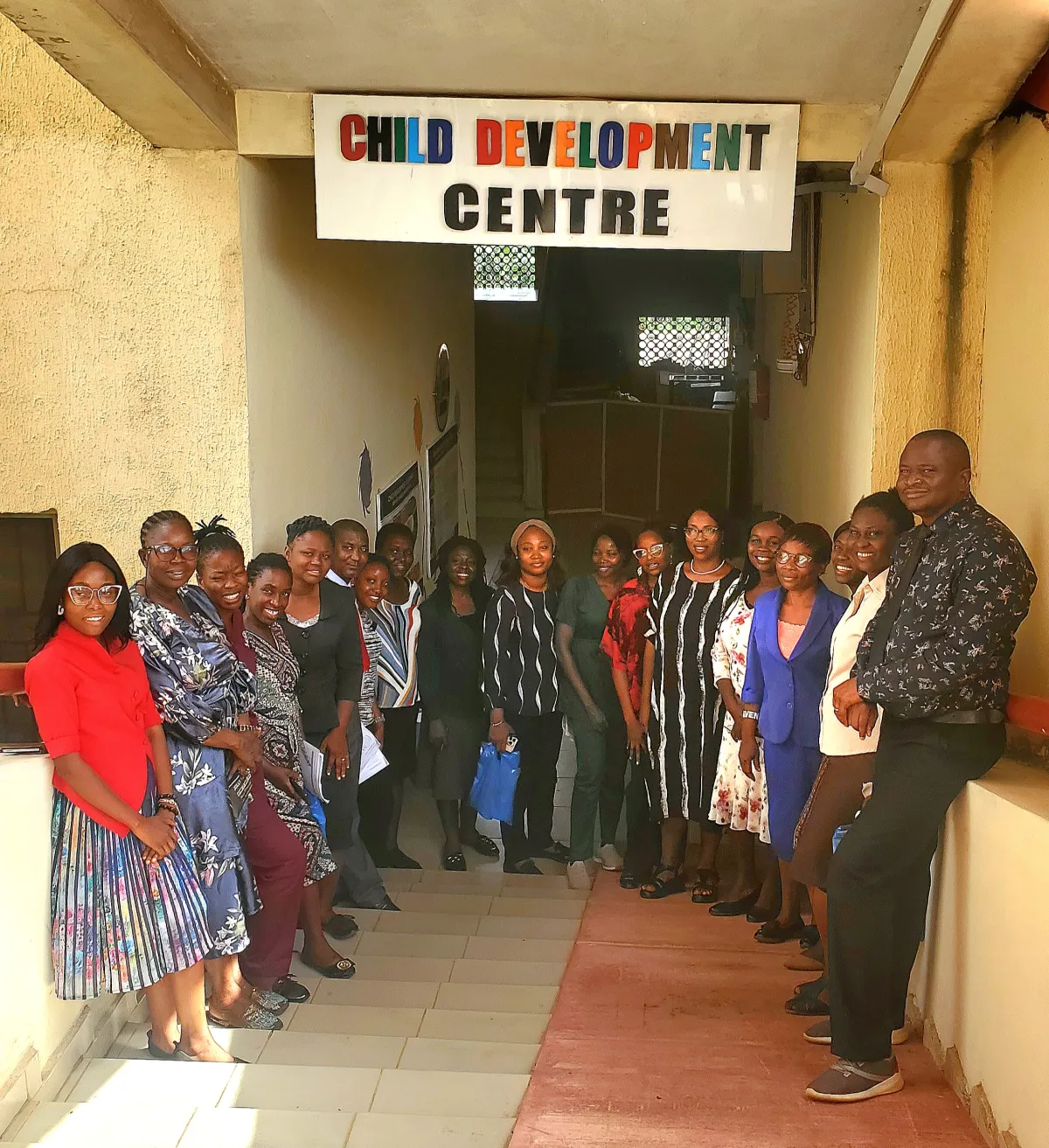
Many children with developmental delays and disabilities in Nigeria are not identified early enough to receive the support they need to reach their full potential. Since 2024, we have partnered with Obafemi Awolowo University Teaching Hospitals Complex (OAUTHC) in Nigeria to strengthen early childhood development services through healthcare worker training, systems strengthening, policy advocacy and evidence generation. Together, we are helping health professionals identify developmental delays earlier, improving access to specialist services, and supporting families to give children the best possible start in life.
Through training, mentorship and clinical exchange, healthcare workers have gained the skills to promote, screen and assess child development, while dedicated child development services have been strengthened to provide multidisciplinary care. The project has also supported the integration of early childhood development into routine health services and informed state-level policy, helping to create lasting change for children and families across Nigeria.
Read more about this collaboration and its impact on children, families and health systems in Nigeria here.